Herringbone Gears
October 3, 2026Bevel Gears
November 19, 2026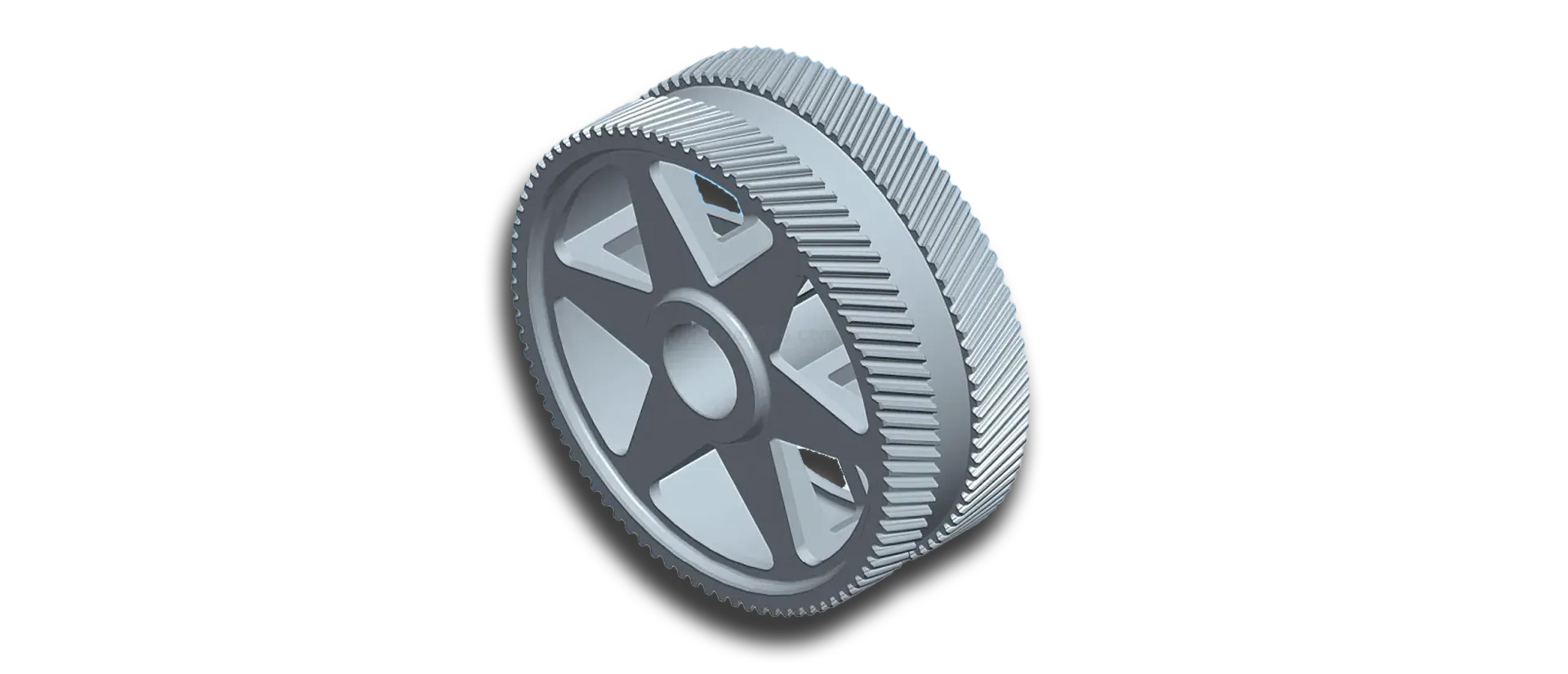
Herringbone Gears for Heavy Industrial Equipment
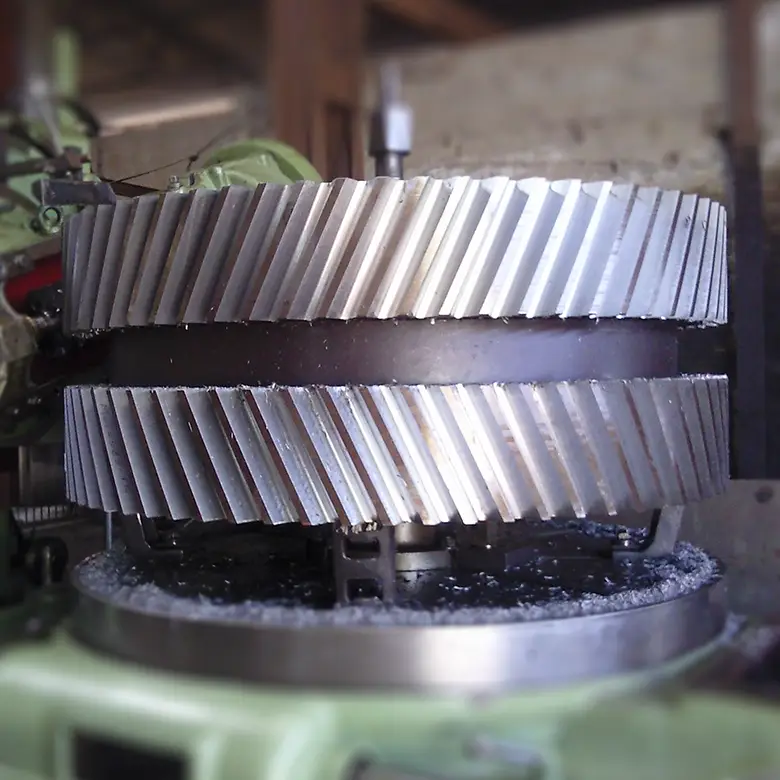
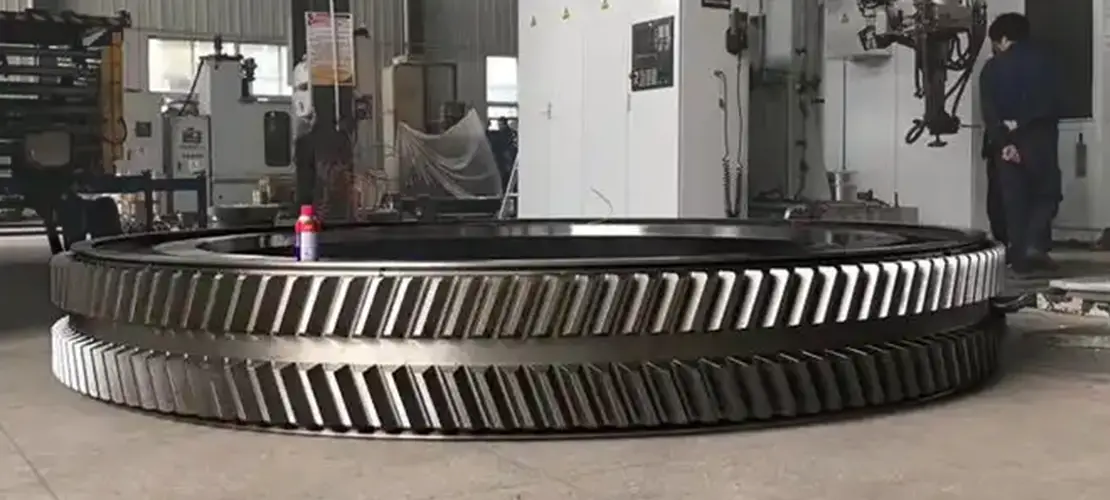
Heavy industrial drives — rolling mills, kiln and mill trains, crushers, marine propulsion, and large hoisting gearboxes — often combine a large diameter with high torque. A single helical gear of that size would send a heavy axial load into the bearings. A herringbone gear avoids that: two helical tooth sets are cut as mirror images on the same blank, so the opposing helix angles cancel each other’s thrust. The mesh stays gradual and quiet, and the shaft can run in ordinary bearings. Foshan Nanhai Lianyi Gear Factory manufactures these gears up to 3.2 meters.
| Where this matters in heavy industry |
|
| Key Features |
|
| Technical Specifications |
|
| Production Process |
|
What Are Herringbone Gears?
A herringbone gear is a double helical gear with the two tooth sets meeting at the centre. Because the left-hand and right-hand helices produce equal and opposite axial forces, the net thrust is zero. That is why herringbone gears have long been used on the largest rolling-mill and marine drives, and on other heavy plant gearboxes where bearing load is a limiting factor.
Large herringbone gears for heavy industrial equipment are quoted individually. Send the drawing, the torque, and the centre distance, and we will come back with a manufacturing proposal.
For quotes or technical data sheets: +86-13288349319 · sales@fschilun.com